.png)
The Rise of 3D Printing Among Miniaturists and Its Impact on Craftsmanship
- Jul 28, 2025
- 4 min read

In recent years, the world of miniatures has experienced a remarkable transformation, largely driven by advancements in 3D printing technology. Miniaturists—artists dedicated to the craft of creating small-scale models—are increasingly adopting this innovative method to enhance their creations. This post will explore why this trend is growing, how it affects craftsmanship, and what it means for the future of this art form.
The Evolution of Miniaturism
Miniaturism has a rich history that goes back centuries. Artisans would carve intricate details by hand, using materials like wood, metal, and clay. This traditional craftsmanship required impressive skill and patience. For example, creating a dollhouse might take several weeks or even months of meticulous work, limiting both production rates and accessibility.
With advancements in technology, miniaturists now have a chance to embrace new tools. Digital fabrication methods, particularly 3D printing, are changing how these artisans approach their craft, making it possible to produce detailed models with far less effort and time. Instead of spending hours on a single piece, 3D printing can produce a model in just a few hours with incredible precision.
Advantages of 3D Printing in Miniaturism
3D printing offers various advantages that are making it increasingly popular among miniaturists. Here are some of the most significant benefits:
Speed and Efficiency: The ability to create intricate models quickly allows artists to experiment and refine designs. For instance, a miniaturist can iterate a model design five times in a single day using a 3D printer, compared to weeks spent handcrafting each version.
Customization: Using computer-aided design (CAD) software, miniaturists can create one-of-a-kind pieces tailored to their specific vision. With 3D printing, each model can be unique. This level of customization means that no two pieces are ever alike unless intentionally replicated.
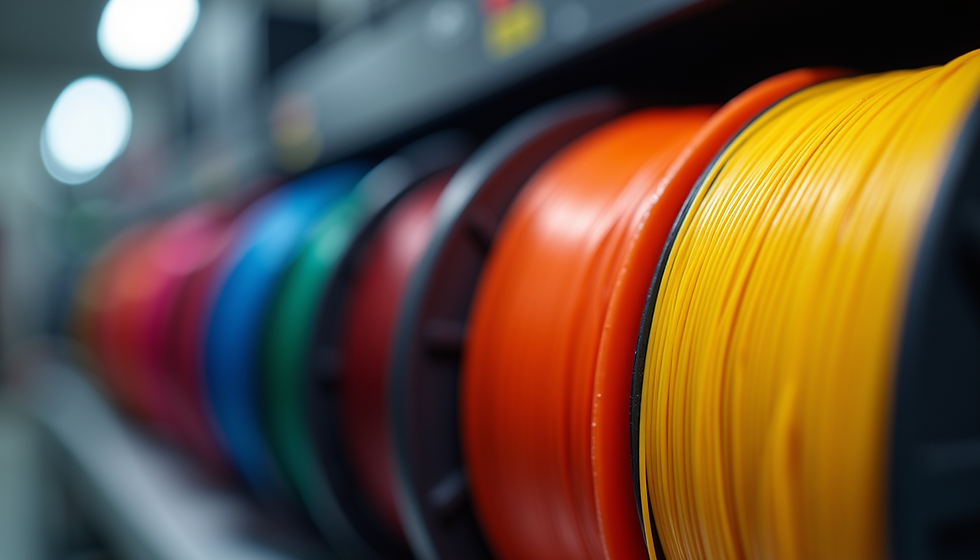
Material Variety: The range of materials available for 3D printing—including resin, plastic, and even metals—empowers artists to select based on practicality or aesthetics. For instance, miniaturists can create durable pieces using polycarbonate for outdoor displays or choose biodegradable materials for eco-friendly crafting.
Bridging Traditional Techniques with Modern Technology
Many miniaturists are not abandoning traditional craftsmanship in favor of 3D printing. Instead, they are blending both methods to enhance their work while staying true to the essence of miniaturism.
For example, an artist may print detailed parts of a model, like furniture or figurines, then assemble these with a hand-crafted base, adding a personal touch through hand painting. This combination not only improves the overall quality of the piece but also allows the artist to maintain a connection to traditional crafting techniques.
The Learning Curve: Embracing New Skills
Adopting 3D printing may seem challenging for miniaturists who are used to working with their hands. Learning to navigate CAD software and understand 3D printing intricacies can be daunting. However, many online resources and communities, like forums and tutorial sites, provide excellent support.
As more miniaturists gain confidence with this technology, collaboration and innovation within the community are likely to increase. The fusion of traditional skill sets with modern techniques has the potential to produce a new generation of artists skilled in both fields.
Impact on Accessibility and Cost
3D printing has also made the world of miniaturism more accessible to a wider audience. Handcrafted miniatures often had high price points due to the labor-intensive processes involved. For example, a single meticulously crafted miniature piece could cost upwards of $300. In contrast, 3D printing can reduce production costs significantly, making it easier to offer affordable pieces for enthusiasts.
This shift is particularly beneficial for hobbyists who may not have the budget for expensive handcrafted items but still want to explore the art of miniatures. With printed items available for as low as $20, enthusiasts can enjoy this craft without breaking the bank.
Environmental Considerations
An important yet often overlooked benefit of 3D printing is its potential for reducing waste. Traditional crafting can create significant amounts of scrap material. In contrast, 3D printing is an additive process, meaning artists only use the material needed for their projects. For instance, using a 3D printer can reduce material waste by up to 50% compared to traditional methods.
Moreover, many 3D printing materials are either recyclable or biodegradable, aligning with the growing demand for sustainable practices in crafting.
Challenges and Limitations of 3D Printing
While 3D printing has notable advantages, it does come with its challenges. The initial investment in equipment and learning how to use it can be intimidating for some artists.
Additionally, while 3D printing allows for high detail, there are still limitations. The texture and finishing of printed pieces often cannot match the nuanced detail achieved through traditional handcrafting. For instance, traditional artisans might add a lifelike texture to a miniature that a printer might struggle to replicate.
Final Thoughts on Miniaturism and 3D Printing
The rise of 3D printing in the world of miniaturism represents a significant evolution in the craft. The blending of traditional methods with new technology opens up exciting opportunities for creativity, affordability, and sustainability in the miniature's community.
As more artists adopt these advancements, we can anticipate a future where the richness of tradition and the efficiencies of innovation coexist. This evolution not only promotes creativity but also expands the craft's reach to a wider audience.
The story of miniaturism today is a powerful reminder of how technology can enhance artistry while tradition continues to thrive. With the community embracing these changes, the possibilities for innovation are boundless, limited only by the artists' imaginations.


Comments